



Children want to help earlier than most parents expect, and they can do more than most adults assume. The trick is matching the job to the age, doing it with them at first, and keeping the tone encouraging. The American Academy of Pediatrics, through its parent site HealthyChildren.org, notes that household tasks help children build confidence, a sense of belonging, and skills they will need as adults.
Ages 2 to 3: small helpers
At this age the job is to join you, not to finish the work. Expect mess and keep expectations low.
- Put toys in a basket.
- Carry an unbreakable item to the table.
- Wipe a spill with a cloth, with your hand over theirs.
- Drop dirty clothes into the hamper.
Ages 4 to 5: simple routines
- Make a bed in a rough way, even if the blanket is lumpy.
- Feed a pet with a pre-measured scoop.
- Match socks from the laundry basket.
- Set napkins on the table.
Ages 6 to 9: owning a task
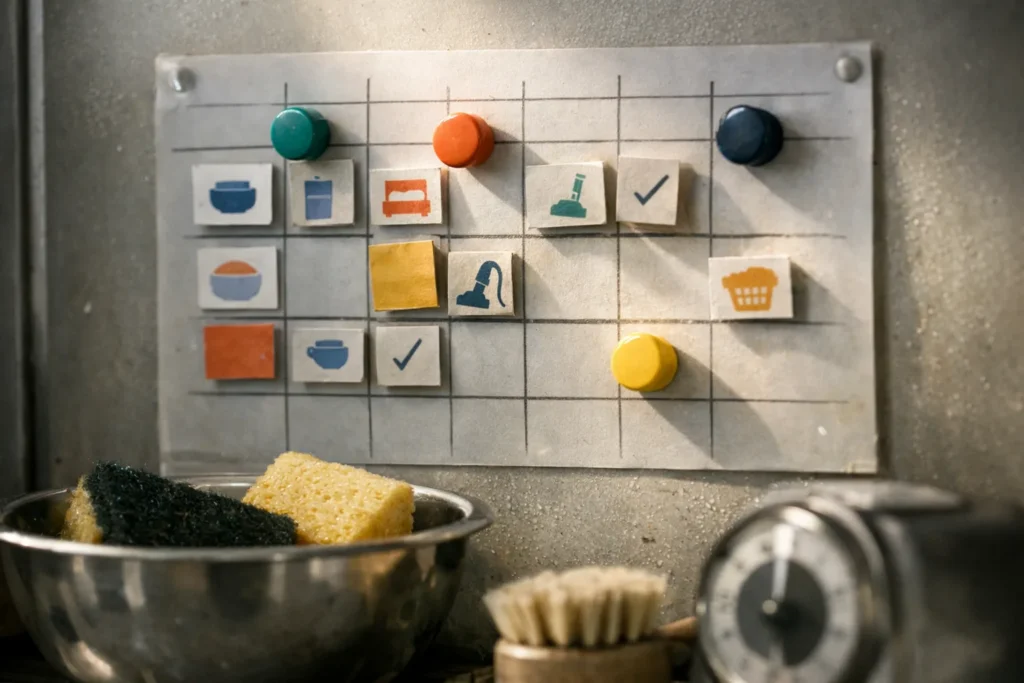
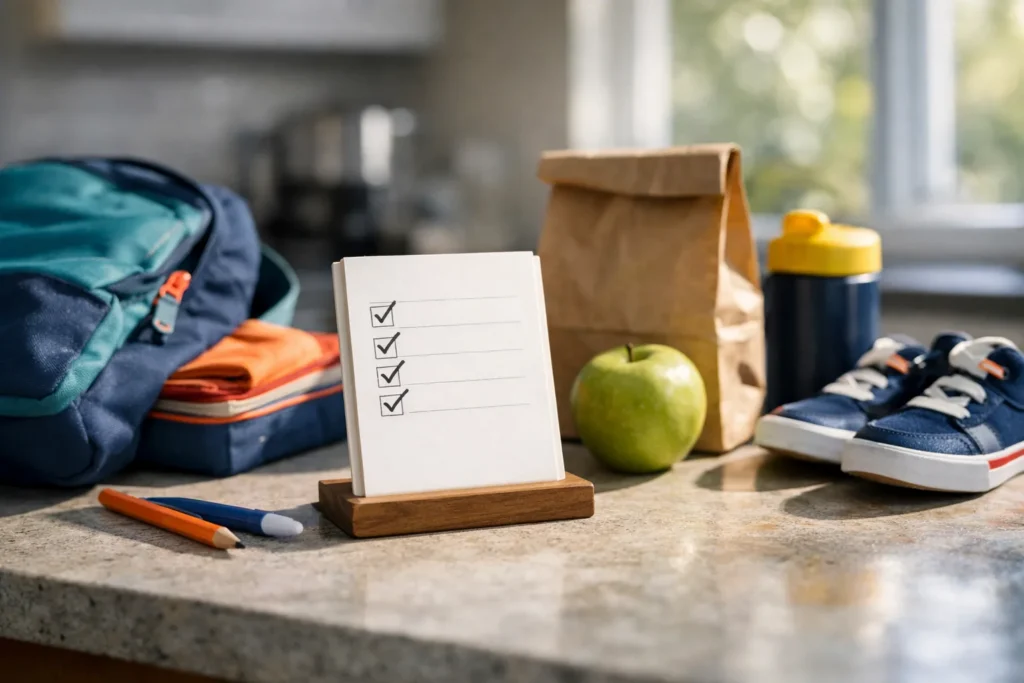
School-age children can learn to finish a job and check it. A short list on the refrigerator helps, since they like seeing items checked off.
- Set and clear the table.
- Water plants.
- Sort recycling.
- Fold towels and put away their own clothes.
- Pack part of their own school bag.
Ages 10 to 12: real responsibility
By ten, most children can handle jobs that involve several steps, with a quick check from an adult at first.
- Load and unload the dishwasher, taking sharp knives out yourself.
- Take out the trash and bring in the bins.
- Vacuum a room.
- Make a simple breakfast or sandwich.
- Start a load of laundry once you have shown them how.
Ages 13 and up: running part of the house
Teenagers can do nearly any household task, and doing them prepares them for living alone. Let them take full charge of something for a week at a time: cooking a family dinner, cleaning a bathroom, mowing the lawn, or doing their own laundry from start to finish. Always follow the safety instructions on cleaning products and never let a younger child handle chemicals or sharp tools.
How to encourage, not bribe
Pediatric guidance generally favors encouragement and praise over paying a child for every task, since chores are part of belonging to a household. A few approaches that tend to work:
- Show before you ask. Do the task together twice, then step back.
- Praise the effort, not just the result. “You stuck with that sock pile” lands better than “good job.”
- Accept imperfect. If you redo the work in front of them, they learn it was not good enough and may stop trying.
- Be consistent. The same job at the same time each day becomes a habit more quickly than a surprise request.
- Keep it short. Ten to fifteen minutes is plenty for a young child.
Some families give a small allowance that is separate from chores, as a way to teach money skills. That is a personal choice; if you do it, keep the basics, such as making your bed and clearing your plate, as part of family life rather than paid work.
When it does not go well
Resistance is normal. If a child melts down, check whether the task is too hard, too long, or poorly timed after a tiring school day. Adjust and try again tomorrow. Over weeks, a steady pattern builds a child who knows how to help, which is the real goal. For a chart that spreads these jobs across the week, see the weekly chore chart in this same section, and for the practical sorting side, visit Cleaning and upkeep.